Executive Summary:
This research provides an overview of rural tourism, types of tourism, its benefits for rural / fisherman’s communities.
Rural tourism can be defined as the country experience which encompasses a wide range of attractions and activities that take place in agricultural or non-urban areas. Its essential characteristics include wide-open spaces, low levels of tourism development, and opportunities for visitors to directly experience agricultural and/or natural environments.
Rural tourism is not just farm-based tourism. It includes farm-based holidays but also comprises special interest nature holidays and ecotourism, walking, climbing and riding holidays, adventure, sport and health tourism, hunting and angling, educational travel, arts and heritage tourism.
A major form of tourism is agritourism, which refers to, ―the act of visiting a working farm or any agricultural, horticultural or agribusiness operation for the purpose of enjoyment, education, or active involvement in the activities of the farm or operation.
There are a wide and innovative set of rural/agritourism products and services available to the tourist in Konkan. It includes agritourism, agricultural festivals, special events and festivals, the celebration of village historic sites, agricultural travel routes that feature themes.
Rural tourism is also revolutionizing businesses and prompting economic development across Konkan.
Tourism events have been found to increase business, income and employment in the region and are seen to assist with social and economic development. Rural tourism has many potential benefits for including employment growth, an expanded economic base, repopulation, social improvement, and revitalization of local crafts.
The extent to which these benefits are realized remains the subject of much debate. Certainly, there is evidence to support the claim that, as a vehicle of economic growth and diversification, tourism can make an important contribution to rural incomes both at the level of the tourism operators and more widely in the local economy.
However, rural communities are challenged to take full advantage of the tourism industry due to lack of sufficient infrastructure to support year round visitors.
Tourism is not the only criteria for all rural problems but it has number of positive attractions. It is one of the many opportunities that rural communities might consider to improve productivity and incomes.
Background:
Tourism is one of the largest and fastest growing industry in the world. In both developed and developing countries, tourism is frequently supposed to be a viable means of raising the economic activity of regions. Additionally, the development of a tourism industry has been noted to promote the destination's image, enabling the region to achieve other objectives, such as business recruitment and retention.
Knowing the expected growth of tourism in Konkan, there is a great optimism for rural tourism. Rural Tourism can be used as a development strategy to improve the social and economic well being of rural areas.
Rural Tourism encompasses a huge range of activities, natural or manmade attractions, amenities and facilities, transportation, marketing and information system. Rural tourism is very diverse and fragmented in terms of operational structures, activities, markets and operating environments.
Rural tourism is not just farm-based tourism. It includes farm-based holidays but also comprises special interest nature holidays, ecotourism, adventure and health tourism, educational travel, arts and heritage tourism.
Objectives Of Study:
 To collect information on rural tourism and to identify different types of rural tourism.
![clip_image001[1]](http://lh4.ggpht.com/-HpCEiPL9cjA/USMmqAWo2QI/AAAAAAAACq0/qHK9is1BHQI/s1600-h/clip_image001%25255B1%25255D%25255B2%25255D.gif "clip_image001[1]") To provide an overview on driving forces and benefits of rural tourism.
To provide an overview on driving forces and benefits of rural tourism.
![clip_image001[2]](http://lh6.ggpht.com/-NbIcWciCFD0/USMmtproF2I/AAAAAAAACrE/8hqAalFviLc/s1600-h/clip_image001%25255B2%25255D%25255B2%25255D.gif "clip_image001[2]") To review tourism development in Konkan.
To review tourism development in Konkan.
![clip_image001[3]](http://lh5.ggpht.com/-KyLO6Ni-fm8/USMmxC7xj2I/AAAAAAAACrU/3uv6Cxoqm_M/s1600-h/clip_image001%25255B3%25255D%25255B2%25255D.gif "clip_image001[3]") To identify issues for future research and development for rural tourism.
To identify issues for future research and development for rural tourism.
What Is Rural Tourism?
Rural tourism can be defined as the country experience which encompasses a wide range of attractions and activities that take place in agricultural or non-urban areas. Its essential characteristics include wide-open spaces, low levels of tourism development, and opportunities for visitors to directly experience agricultural and/or natural environments.
Consequently, rural tourism in its purest form should be:
![clip_image001[4]](http://lh5.ggpht.com/-mKgLxMpvc8w/USMm0YMI_7I/AAAAAAAACrk/WhILePYJx1c/s1600-h/clip_image001%25255B4%25255D%25255B2%25255D.gif "clip_image001[4]") Located in rural areas.
Located in rural areas.
![clip_image001[5]](http://lh3.ggpht.com/-4BDLsSVOMm0/USMm3o2V0dI/AAAAAAAACr0/wQ3UbhKMN7o/s1600-h/clip_image001%25255B5%25255D%25255B2%25255D.gif "clip_image001[5]") Functionally rural – built upon the rural world‘s special features of small-scale enterprise, open space, contact with nature and traditional societies / traditional‖ practices.
Functionally rural – built upon the rural world‘s special features of small-scale enterprise, open space, contact with nature and traditional societies / traditional‖ practices.
![clip_image001[6]](http://lh6.ggpht.com/-A-D7N62jbl8/USMm7Lba2RI/AAAAAAAACsE/6M1MTks23Oc/s1600-h/clip_image001%25255B6%25255D%25255B2%25255D.gif "clip_image001[6]") Rural in scale – both in terms of buildings and settlements – and, therefore, usually small-scale.
Rural in scale – both in terms of buildings and settlements – and, therefore, usually small-scale.
![clip_image001[7]](http://lh6.ggpht.com/-UBupSQQG604/USMm-jHkXZI/AAAAAAAACsU/zlvso_6mgh4/s1600-h/clip_image001%25255B7%25255D%25255B2%25255D.gif "clip_image001[7]") Traditional in character, growing slowly and organically, and connected with local families. It will often be very largely controlled locally and developed for the long term good of the area.
Traditional in character, growing slowly and organically, and connected with local families. It will often be very largely controlled locally and developed for the long term good of the area.
Types Of Rural Tourism:
 Tourism is synthesized from mass and alternative tourism. Mass tourism is characterized by large numbers of people seeking culture holidays in popular resort destinations. Alternative tourism is sometimes referred to as ―special interest tourism‖ or ―responsible tourism and it‘s usually taken to mean alternative forms of tourism which give emphasis on the contact and understanding of inhabitants‘way of living and the local natural environment.
![clip_image002[1]](http://lh4.ggpht.com/-1G-J_OIkbtk/USMnFsxKHEI/AAAAAAAACs0/K2B3SFwiBcg/s1600-h/clip_image002%25255B1%25255D%25255B2%25255D.gif "clip_image002[1]") The diversity of attractions included within rural tourism includes heritage tourism, nature-based tourism/ecotourism and agritourism. Heritage tourism refers to leisure travel that has as its primary purpose the experiencing of places and activities that represent the past.
The diversity of attractions included within rural tourism includes heritage tourism, nature-based tourism/ecotourism and agritourism. Heritage tourism refers to leisure travel that has as its primary purpose the experiencing of places and activities that represent the past.
![clip_image002[2]](http://lh4.ggpht.com/-GtG479F_gLs/USMnJKuUTBI/AAAAAAAACtE/E0mHO-OgOiE/s1600-h/clip_image002%25255B2%25255D%25255B2%25255D.gif "clip_image002[2]") A second major type of rural tourism activity is nature-based tourism/ecotourism, which refers to the process of visiting natural areas for the purpose of enjoying the scenery, including plant and animal wildlife. Nature-based tourism may be either passive, in which observers tend to be strictly observers of nature, or active, where participants take part in outdoor recreation or adventure travel activities.
A second major type of rural tourism activity is nature-based tourism/ecotourism, which refers to the process of visiting natural areas for the purpose of enjoying the scenery, including plant and animal wildlife. Nature-based tourism may be either passive, in which observers tend to be strictly observers of nature, or active, where participants take part in outdoor recreation or adventure travel activities.
![clip_image002[3]](http://lh3.ggpht.com/-PVetCOMzKgs/USMnMUyS4gI/AAAAAAAACtU/Bwf2nTbLn8Y/s1600-h/clip_image002%25255B3%25255D%25255B2%25255D.gif "clip_image002[3]") A third major form of tourism is agritourism, which refers to, ―the act of visiting a working farm or any agricultural, horticultural or agribusiness operation for the purpose of enjoyment, education, or active involvement in the activities of the farm or operation.
A third major form of tourism is agritourism, which refers to, ―the act of visiting a working farm or any agricultural, horticultural or agribusiness operation for the purpose of enjoyment, education, or active involvement in the activities of the farm or operation.
Driving Forces In Rural Tourism:
 Tourism generating regions for rural tourism are highly developed and urbanized – the stresses of urban living and the remoteness from the natural environment has created a desire for escape from the monoculture of city living. Rural locations offer an idealized release from stress and the opportunity to re-engage with a simpler, quieter way of life that offers rest and relaxation.
![clip_image003[1]](http://lh3.ggpht.com/-WxUrFXcSyhI/USMnTk3RCkI/AAAAAAAACt0/9t26VDGZq0o/s1600-h/clip_image003%25255B1%25255D%25255B2%25255D.gif "clip_image003[1]") Increasing environmental awareness and interest in the relationship between humans and the environment. Green issues have raised the attractiveness of rural experiences as ecologically sustainable tourism.
Increasing environmental awareness and interest in the relationship between humans and the environment. Green issues have raised the attractiveness of rural experiences as ecologically sustainable tourism.
![clip_image003[2]](http://lh6.ggpht.com/-UANhSssGMB4/USMnXM9e1ZI/AAAAAAAACuE/zfNQ58xGKT0/s1600-h/clip_image003%25255B2%25255D%25255B2%25255D.gif "clip_image003[2]") Increasing numbers of Free Independent Travellers’ and world-wide long-haul travel – many more travellers are FIT than in the past due to the increased capacity, especially in long-haul transport modes. When combined with increasing discretionary incomes, greater awareness of the range of experiences on offer, and greater mobility through private transport, the accessibility and attractiveness of rural destinations has been dramatically improved.
Increasing numbers of Free Independent Travellers’ and world-wide long-haul travel – many more travellers are FIT than in the past due to the increased capacity, especially in long-haul transport modes. When combined with increasing discretionary incomes, greater awareness of the range of experiences on offer, and greater mobility through private transport, the accessibility and attractiveness of rural destinations has been dramatically improved.
![clip_image003[3]](http://lh4.ggpht.com/-QNUaC_G2g7c/USMnaroSOLI/AAAAAAAACuU/9LwC0b_CuV8/s1600-h/clip_image003%25255B3%25255D%25255B2%25255D.gif "clip_image003[3]") A move toward short-break holidays - income and leisure time have changed so that shorter breaks with greater choice of leisure activities are sought. Changing work patterns have increased the popularity of shorter breaks that minimize the absence from work and the effect of absences on work flow and involvement.
A move toward short-break holidays - income and leisure time have changed so that shorter breaks with greater choice of leisure activities are sought. Changing work patterns have increased the popularity of shorter breaks that minimize the absence from work and the effect of absences on work flow and involvement.
![clip_image003[4]](http://lh5.ggpht.com/-fqzWqLlREc0/USMneJEREvI/AAAAAAAACuk/AQ22m_y6DhI/s1600-h/clip_image003%25255B4%25255D%25255B2%25255D.gif "clip_image003[4]") Better-educated travellers have increased interest in outdoor recreation, eco-tourism and special interest tourism - individualism drives a need for unique experiences and rural tourism, because of its fragmented nature and diversity of offerings, can satisfy this need.
Better-educated travellers have increased interest in outdoor recreation, eco-tourism and special interest tourism - individualism drives a need for unique experiences and rural tourism, because of its fragmented nature and diversity of offerings, can satisfy this need.
![clip_image003[5]](http://lh5.ggpht.com/-auOtr98GhQI/USMnhrOfq8I/AAAAAAAACu0/LRTKLDiu-Ww/s1600-h/clip_image003%25255B5%25255D%25255B2%25255D.gif "clip_image003[5]") An increased interest in heritage can be satisfied through rural tourism as rural areas are often the repositories of remnant heritage.
An increased interest in heritage can be satisfied through rural tourism as rural areas are often the repositories of remnant heritage.
![clip_image003[6]](http://lh6.ggpht.com/-BmI25jr9xfc/USMnmk8AEpI/AAAAAAAACvE/Y1ovYobJWdQ/s1600-h/clip_image003%25255B6%25255D%25255B2%25255D.gif "clip_image003[6]") Rural areas are perceived as healthier, offering fresher air, cleaner water and the opportunity for outdoor recreation. Rural areas offer fresh, and sometimes, specialty foods.
Rural areas are perceived as healthier, offering fresher air, cleaner water and the opportunity for outdoor recreation. Rural areas offer fresh, and sometimes, specialty foods.
![clip_image003[7]](http://lh3.ggpht.com/-RNRCLbxR6lE/USMnsU7yNQI/AAAAAAAACvU/2rRzIHTG1kE/s1600-h/clip_image003%25255B7%25255D%25255B2%25255D.gif "clip_image003[7]") An increasing desire for authentic experiences including interaction with local people - Rural tourism is REAL (Rewarding, Enriches the spirit, provides Adventure and Learning); authenticity is believed to be found in genuine country experiences and lifestyles.
An increasing desire for authentic experiences including interaction with local people - Rural tourism is REAL (Rewarding, Enriches the spirit, provides Adventure and Learning); authenticity is believed to be found in genuine country experiences and lifestyles.
Benefits Of Rural Tourism:
Rural tourism, while still only a minority tourism market, is making a valuable contribution to rural economies. Its contribution can be expressed not only in financial terms, but also in terms of jobs, contributions towards funding conservation, encouragement to the adoption of new working practices, and the injection of a new vitality into sometimes weakened economies. Potentially rural tourism promises some of the following benefits to rural development.
![clip_image002[4]](http://lh4.ggpht.com/-vF4sOl9Pr00/USMnwKtERNI/AAAAAAAACvk/UE5L0Ts1Rbc/s1600-h/clip_image002%25255B4%25255D%25255B2%25255D.gif "clip_image002[4]") Job Retention: Rural tourism cash flows can assist job retention in services such as retailing, transport, hospitality and medical care. It can also provide additional income for farmers, and, in some cases, for foresters and fisherman. Job retention is not as politically glamorous as job creation, but, by helping the viability of small communities, it is critical to the survival of marginal areas.
Job Retention: Rural tourism cash flows can assist job retention in services such as retailing, transport, hospitality and medical care. It can also provide additional income for farmers, and, in some cases, for foresters and fisherman. Job retention is not as politically glamorous as job creation, but, by helping the viability of small communities, it is critical to the survival of marginal areas.
![clip_image002[5]](http://lh4.ggpht.com/-gR8VpW3HzbI/USMn0E9oOlI/AAAAAAAACv0/RAUUAnuzFy4/s1600-h/clip_image002%25255B5%25255D%25255B2%25255D.gif "clip_image002[5]") Job Creation: Job creation typically occurs in the hotel and catering trades, but can also take place in transport, retailing, and in information/heritage interpretation.
Job Creation: Job creation typically occurs in the hotel and catering trades, but can also take place in transport, retailing, and in information/heritage interpretation.
![clip_image002[6]](http://lh5.ggpht.com/-SuAwod7NT-8/USMn3mnThJI/AAAAAAAACwE/iw_WNaB2Qbs/s1600-h/clip_image002%25255B6%25255D%25255B2%25255D.gif "clip_image002[6]") New Business Opportunities: Tourism generates new opportunities for industry. Even those rural businesses not directly involved in tourism can benefit from tourist activity through developing close relationships with tourist facilities where local foods can be used as part of the tourism offering in a locality. Rural tourism facilitates expansion of complementary businesses such as service stations and new businesses are created to cater to tourist needs for hospitality services, recreational activities and arts/crafts.
New Business Opportunities: Tourism generates new opportunities for industry. Even those rural businesses not directly involved in tourism can benefit from tourist activity through developing close relationships with tourist facilities where local foods can be used as part of the tourism offering in a locality. Rural tourism facilitates expansion of complementary businesses such as service stations and new businesses are created to cater to tourist needs for hospitality services, recreational activities and arts/crafts.
![clip_image002[7]](http://lh3.ggpht.com/-264Bqexr6nY/USMn7MbL6AI/AAAAAAAACwU/-rmDGC4CdjI/s1600-h/clip_image002%25255B7%25255D%25255B2%25255D.gif "clip_image002[7]") Opportunities For Youth: The tourism industry is often promoted as an exciting and growing industry suited to the energies and enthusiasm of young people. Career options are enhanced with the opportunities for training and direct involvement in running tourism businesses, especially those within small communities.
Opportunities For Youth: The tourism industry is often promoted as an exciting and growing industry suited to the energies and enthusiasm of young people. Career options are enhanced with the opportunities for training and direct involvement in running tourism businesses, especially those within small communities.
![clip_image002[8]](http://lh3.ggpht.com/-daK7AzKXl9Q/USMn-tn5PeI/AAAAAAAACwk/MQ2pFeb-GEA/s1600-h/clip_image002%25255B8%25255D%25255B2%25255D.gif "clip_image002[8]") Service Retention: Visitor information services can be provided by existing outlets, such as shops, thus increasing income flows if payment is made for acting as information outlets. Services can also benefit by the additional customers which visitors provide. Finally, tourism‘s importance to national economies can strengthen the political case for subsides to help retain services.
Service Retention: Visitor information services can be provided by existing outlets, such as shops, thus increasing income flows if payment is made for acting as information outlets. Services can also benefit by the additional customers which visitors provide. Finally, tourism‘s importance to national economies can strengthen the political case for subsides to help retain services.
![clip_image002[9]](http://lh5.ggpht.com/-KTfSOsUipps/USMoCZ7I8YI/AAAAAAAACw0/wuGCW884MD4/s1600-h/clip_image002%25255B9%25255D%25255B2%25255D.gif "clip_image002[9]") Community Diversification: Community diversification is an important activity in many upland and climatically marginal regions. Rural tourism can assist forestry by diversifying income sources for forest communities if the special qualities of the forest environment for recreational use are realized and developed.
Community Diversification: Community diversification is an important activity in many upland and climatically marginal regions. Rural tourism can assist forestry by diversifying income sources for forest communities if the special qualities of the forest environment for recreational use are realized and developed.
![clip_image002[10]](http://lh6.ggpht.com/-rHyefYef5Is/USMoGCt24bI/AAAAAAAACxA/p4kVEBFRqFQ/s1600-h/clip_image002%25255B10%25255D%25255B2%25255D.gif "clip_image002[10]") Rural Tourism Enhances And Revitalizes Community Pride: Tourism encourages conformity to an ideal image of community which can result in growth of personal ties and community solidarity. Thus the basis for community solidarity shifts from shared cultural background to shared image. Amenities play a fundamental role in shaping a community‘s identity and pride and so the potential of tourism for improvements to facilities and amenities has positive implications for community pride, particularly rural museums as an important repository of rural culture.
Rural Tourism Enhances And Revitalizes Community Pride: Tourism encourages conformity to an ideal image of community which can result in growth of personal ties and community solidarity. Thus the basis for community solidarity shifts from shared cultural background to shared image. Amenities play a fundamental role in shaping a community‘s identity and pride and so the potential of tourism for improvements to facilities and amenities has positive implications for community pride, particularly rural museums as an important repository of rural culture.
![clip_image002[11]](http://lh5.ggpht.com/-Bu44IjMWGoo/USMoJ-5qX0I/AAAAAAAACxU/QRMS9RQLJ0Y/s1600-h/clip_image002%25255B11%25255D%25255B2%25255D.gif "clip_image002[11]") Preservation Of Rural Culture And Heritage: In rural tourism the sense of place is a fundamental element in both the tourists‘and host community‘s feelings of what makes the area attractive to visit and live in. This sense of place is maintained partly through rural museums which play a vital role in preserving heritage.
Preservation Of Rural Culture And Heritage: In rural tourism the sense of place is a fundamental element in both the tourists‘and host community‘s feelings of what makes the area attractive to visit and live in. This sense of place is maintained partly through rural museums which play a vital role in preserving heritage.
![clip_image002[12]](http://lh6.ggpht.com/-ubhY_zzVQUc/USMoNbKViuI/AAAAAAAACxk/8asG2VqYy0E/s1600-h/clip_image002%25255B12%25255D%25255B2%25255D.gif "clip_image002[12]") Increase Arts And Crafts Sale: Arts and crafts have a special place in the cultural heritage of a region. Many commentators have noted that tourism can assist arts and crafts, both by recognizing their importance, and by purchasing craft products. Income flows from these activities are well documented. Support between the arts and tourism can be a two-way process. Many communities now use arts and crafts festivals as a marketing mechanism to encourage visitors to come to their areas.
Increase Arts And Crafts Sale: Arts and crafts have a special place in the cultural heritage of a region. Many commentators have noted that tourism can assist arts and crafts, both by recognizing their importance, and by purchasing craft products. Income flows from these activities are well documented. Support between the arts and tourism can be a two-way process. Many communities now use arts and crafts festivals as a marketing mechanism to encourage visitors to come to their areas.
![clip_image002[13]](http://lh5.ggpht.com/-YbDbIb2xmcY/USMoQ-Mi84I/AAAAAAAACx0/HX8mJi8Wbxk/s1600-h/clip_image002%25255B13%25255D%25255B2%25255D.gif "clip_image002[13]") Landscape Conservation: Landscape conservation has become an increasingly important form of heritage protection. Landscape is of crucial importance to rural tourism but, equally, visitor use is vital to the landscape conservation industry. Visitor use brings political benefits, can bring economic gains, and can provide jobs in maintaining and repairing traditional landscapes worn by recreational activities.
Landscape Conservation: Landscape conservation has become an increasingly important form of heritage protection. Landscape is of crucial importance to rural tourism but, equally, visitor use is vital to the landscape conservation industry. Visitor use brings political benefits, can bring economic gains, and can provide jobs in maintaining and repairing traditional landscapes worn by recreational activities.
![clip_image002[14]](http://lh6.ggpht.com/-pGhj_S4Qiik/USMoUQj9nYI/AAAAAAAACyE/57v8-udlHvU/s1600-h/clip_image002%25255B14%25255D%25255B2%25255D.gif "clip_image002[14]") Environmental Improvements: Environmental improvements such as village paving and traffic regulation schemes, sewage and litter disposal can be assisted by tourism revenues and political pressures from tourism authorities. These help develop pride of place, important in retaining existing population and businesses, and in attracting new enterprises and families.
Environmental Improvements: Environmental improvements such as village paving and traffic regulation schemes, sewage and litter disposal can be assisted by tourism revenues and political pressures from tourism authorities. These help develop pride of place, important in retaining existing population and businesses, and in attracting new enterprises and families.
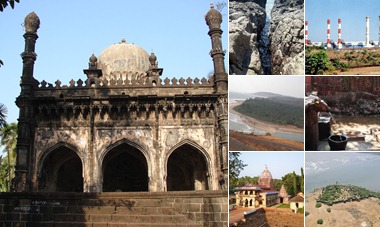
![clip_image002[15]](http://lh4.ggpht.com/-YvTygsqXMOA/USMoXyW5m-I/AAAAAAAACyU/QUA_qRNOiL0/s1600-h/clip_image002%25255B15%25255D%25255B2%25255D.gif "clip_image002[15]") The Historic Built Environment: The historic built environment can benefit from rural tourism in two ways. Many historic properties now charge for admission in order to maintain their fabrics and surrounding gardens and parklands. Secondly, there are important buildings from the past which have become redundant. Temples have lost their congregations, forts have lost their wars. The tourist industry can usually use these redundant buildings profitably and imaginatively: they can become attractions in their own right.
The Historic Built Environment: The historic built environment can benefit from rural tourism in two ways. Many historic properties now charge for admission in order to maintain their fabrics and surrounding gardens and parklands. Secondly, there are important buildings from the past which have become redundant. Temples have lost their congregations, forts have lost their wars. The tourist industry can usually use these redundant buildings profitably and imaginatively: they can become attractions in their own right.
A wide range of benefits has been identified as potential outcomes associated with promoting the development of agritourism. From an agricultural industry perspective, agritourism is perceived to be a means of:
 Expanding farm operations.
![clip_image004[1]](http://lh5.ggpht.com/-fdxBU3hj8ko/USMoexk65vI/AAAAAAAACy0/-YDMztwyHCI/s1600-h/clip_image004%25255B1%25255D%25255B2%25255D.gif "clip_image004[1]") Using farm based products in new and innovative ways & thus improving farm revenue streams.
Using farm based products in new and innovative ways & thus improving farm revenue streams.
![clip_image004[2]](http://lh5.ggpht.com/-orRmfq-gZOw/USMoibScvYI/AAAAAAAACzE/qQ-tGh9nfBw/s1600-h/clip_image004%25255B2%25255D%25255B2%25255D.gif "clip_image004[2]") Increasing awareness of local agricultural products & developing new consumer market niches.
Increasing awareness of local agricultural products & developing new consumer market niches.
![clip_image004[3]](http://lh4.ggpht.com/-9UKyBEPpNyg/USMomVJj2oI/AAAAAAAACzU/GGXMOLa0v8I/s1600-h/clip_image004%25255B3%25255D%25255B2%25255D.gif "clip_image004[3]") Channelling additional on-farm revenues directly to family members who might otherwise have to work off the farm thus increasing the long term sustainability for farm businesses.
Channelling additional on-farm revenues directly to family members who might otherwise have to work off the farm thus increasing the long term sustainability for farm businesses.
What Makes Rural Tourism Successful?
![clip_image002[16]](http://lh6.ggpht.com/-TLUT7J3vVl4/USMop1vT9jI/AAAAAAAACzk/vKPErpV_Pnc/s1600-h/clip_image002%25255B16%25255D%25255B2%25255D.gif "clip_image002[16]") Community Involvement: For an area to become a rural tourism destination, not just a stop off point, structured networks and collaborative agreements between public and private sectors are essential. Community involvement is a key part of the equation.
Community Involvement: For an area to become a rural tourism destination, not just a stop off point, structured networks and collaborative agreements between public and private sectors are essential. Community involvement is a key part of the equation.
![clip_image002[17]](http://lh4.ggpht.com/-bAq9T0bn0e0/USMotiWuT8I/AAAAAAAACz0/kOP_dZa2Q4Y/s1600-h/clip_image002%25255B17%25255D%25255B2%25255D.gif "clip_image002[17]") Proximity To A Generating Market Or Gateway: Rural tourism destinations must be easily accessible to potential visitors through reliable transportation systems.
Proximity To A Generating Market Or Gateway: Rural tourism destinations must be easily accessible to potential visitors through reliable transportation systems.
![clip_image002[18]](http://lh5.ggpht.com/-D32avS95mL8/USMoxHFRwjI/AAAAAAAAC0E/z88MgoCZEYk/s1600-h/clip_image002%25255B18%25255D%25255B2%25255D.gif "clip_image002[18]") Product Development (Tourism Planning, Infrastructure, And Activities): This should include sound tourism development planning, investment in tourism-related infrastructure, and a range of activities to satisfy the diverse tastes of visitors. Work to support rural tourism infrastructure development by providing technical assistance, facilitation and promotion, and economic impact analysis support.
Product Development (Tourism Planning, Infrastructure, And Activities): This should include sound tourism development planning, investment in tourism-related infrastructure, and a range of activities to satisfy the diverse tastes of visitors. Work to support rural tourism infrastructure development by providing technical assistance, facilitation and promotion, and economic impact analysis support.
![clip_image002[19]](http://lh3.ggpht.com/-dt0J-PAw9Rg/USMo1FTn0DI/AAAAAAAAC0U/00wZJE7O47c/s1600-h/clip_image002%25255B19%25255D%25255B2%25255D.gif "clip_image002[19]") A Visitor Center: Rural communities must have a welcoming center where visitors can seek information on local attractions, activities, and accommodations, and ask questions of people who are knowledgeable about the area.
A Visitor Center: Rural communities must have a welcoming center where visitors can seek information on local attractions, activities, and accommodations, and ask questions of people who are knowledgeable about the area.
![clip_image002[20]](http://lh6.ggpht.com/-gCQDL3R4QWQ/USMo48VDfKI/AAAAAAAAC0k/8Ls7JUzwu_o/s1600-h/clip_image002%25255B20%25255D%25255B2%25255D.gif "clip_image002[20]") Partnership Collaboration /Cultural Heritage Welcome Centers: Key to maximizing rural tourism marketing efforts is the need to create and leverage potential partnerships with cultural/heritage segments. It may help to provide value-added services for consumers, including providing directions and creating awareness for rural tourism locations and historical/cultural activities—successfully differentiating them from other destinations.
Partnership Collaboration /Cultural Heritage Welcome Centers: Key to maximizing rural tourism marketing efforts is the need to create and leverage potential partnerships with cultural/heritage segments. It may help to provide value-added services for consumers, including providing directions and creating awareness for rural tourism locations and historical/cultural activities—successfully differentiating them from other destinations.
![clip_image002[21]](http://lh5.ggpht.com/-YNrxHVeDsjU/USMo8dXIYiI/AAAAAAAAC00/UVrsMpwcCC0/s1600-h/clip_image002%25255B21%25255D%25255B2%25255D.gif "clip_image002[21]") A Quality Brand And Regional Label: Brand identity may increase awareness of the destination among its identified target market segments. A brand is the way in which consumers perceive or distinguish a destination. To be effective, a brand should unify all of rural‘s functional (recreation and events) and emotional benefits (fun, culture and solitude) under one all-inclusive identity to create an indelible impression in the mind of the consumer.
A Quality Brand And Regional Label: Brand identity may increase awareness of the destination among its identified target market segments. A brand is the way in which consumers perceive or distinguish a destination. To be effective, a brand should unify all of rural‘s functional (recreation and events) and emotional benefits (fun, culture and solitude) under one all-inclusive identity to create an indelible impression in the mind of the consumer.
![clip_image002[22]](http://lh5.ggpht.com/-G9liy56FMW0/USMpAHBVuiI/AAAAAAAAC1E/ODMizkO1Eas/s1600-h/clip_image002%25255B22%25255D%25255B2%25255D.gif "clip_image002[22]") Funding: Identify creative ways to support rural tourism funding in an effort to maximize and leverage existing marketing efforts. The long-term sustainability of tourism rests on the ability of community leaders and tourism professionals to maximize its benefits and minimize its costs.
Funding: Identify creative ways to support rural tourism funding in an effort to maximize and leverage existing marketing efforts. The long-term sustainability of tourism rests on the ability of community leaders and tourism professionals to maximize its benefits and minimize its costs.
Future Research And Development
In almost all business sectors research and development involves a partnership between the public and private sectors. The need for partnership is very important if rural tourism is to succeed. Rural tourism is growing in a fragmented and ad hoc way: public sector partnerships can co-ordinate activities. Since many of rural tourism‘s activities take place in the public domain, careful research into environmental and visitor management is necessary to maintain established community goals such as landscape, nature and heritage protection during the re-structuring of the rural economy away from primary production towards a greater reliance on the service sector. Research in the following areas could benefit most of rural tourism initiatives.
![clip_image002[23]](http://lh5.ggpht.com/-sU0WtSr0RfQ/USMpDp6jnOI/AAAAAAAAC1U/9wFZHN12KEQ/s1600-h/clip_image002%25255B23%25255D%25255B2%25255D.gif "clip_image002[23]") Market Information: Little is known about the market rural tourism. This is a major problem in determining the size, characteristics and requirements of the market. Without this information, it is difficult to plan infrastructure investment, to provide effective business training, to encourage suitable numbers and types of new entrants into rural tourism and develop marketing campaigns. Market information studies need to cover market groups already taking rural holidays, and those who do not. For both groups, basic positioning information should include age/family size/occupational characteristics/area of origin/holiday patterns during current year and previous years/ perceived requirements of holidays/likely accommodation type/likely method of travel/method of choosing holidays/knowledge and perception of specified "control" areas.
Market Information: Little is known about the market rural tourism. This is a major problem in determining the size, characteristics and requirements of the market. Without this information, it is difficult to plan infrastructure investment, to provide effective business training, to encourage suitable numbers and types of new entrants into rural tourism and develop marketing campaigns. Market information studies need to cover market groups already taking rural holidays, and those who do not. For both groups, basic positioning information should include age/family size/occupational characteristics/area of origin/holiday patterns during current year and previous years/ perceived requirements of holidays/likely accommodation type/likely method of travel/method of choosing holidays/knowledge and perception of specified "control" areas.
![clip_image002[24]](http://lh3.ggpht.com/-SrT3vdr6Npk/USMpHRu6ieI/AAAAAAAAC1k/1_Ok-UIXERo/s1600-h/clip_image002%25255B24%25255D%25255B2%25255D.gif "clip_image002[24]") Market Relations: Directly linked with the market information question comes the issue of how best to relate to markets. Major resorts and tour operators use sophisticated, expensive and sometimes wasteful methods to reach their customers. Rural tourism areas often (but not always) have weak and amateur links to their markets. There would be value in the publication of an evaluated good-practice guide looking at a range of successful areas and the techniques they have employed to relate to their markets.
Market Relations: Directly linked with the market information question comes the issue of how best to relate to markets. Major resorts and tour operators use sophisticated, expensive and sometimes wasteful methods to reach their customers. Rural tourism areas often (but not always) have weak and amateur links to their markets. There would be value in the publication of an evaluated good-practice guide looking at a range of successful areas and the techniques they have employed to relate to their markets.
![clip_image002[25]](http://lh6.ggpht.com/-HlfEDqaezcU/USMpLoGcKvI/AAAAAAAAC10/XdN7oAB_NEM/s1600-h/clip_image002%25255B25%25255D%25255B2%25255D.gif "clip_image002[25]") Management, Control and Operational Issues: Research is necessary to evaluate the management, control and operational questions involved in creating sustainable rural tourism. Evaluation should be made in terms of job retention, creation and diversification, visitor satisfaction, capital and manpower requirements, environmental protection and community participation and partnership. For long term strategic planning, an increasing number of rural regions and localities are developing tourism strategy plans. These plans assess tourism assets, weaknesses and environmental carrying capacities. After a review of market opportunities, the long term plan looks at how best to develop and manage specific areas, communities and ecosystems. The plans discuss infrastructure requirements, traffic management schemes, new enterprise development, training for tourism businesses and marketing techniques.
Management, Control and Operational Issues: Research is necessary to evaluate the management, control and operational questions involved in creating sustainable rural tourism. Evaluation should be made in terms of job retention, creation and diversification, visitor satisfaction, capital and manpower requirements, environmental protection and community participation and partnership. For long term strategic planning, an increasing number of rural regions and localities are developing tourism strategy plans. These plans assess tourism assets, weaknesses and environmental carrying capacities. After a review of market opportunities, the long term plan looks at how best to develop and manage specific areas, communities and ecosystems. The plans discuss infrastructure requirements, traffic management schemes, new enterprise development, training for tourism businesses and marketing techniques.
At the tactical level, the implementation of strategic plans requires detailed knowledge of issues such as visitor management schemes, heritage interpretation, ways of encouraging new entrants to tourism, the validity of co-operative marketing schemes, rural public transport schemes, historic building conservation and ways of successfully integrating nature conservation and tourism.
![clip_image002[26]](http://lh3.ggpht.com/-i45CCEYhyJ4/USMpQhEJqOI/AAAAAAAAC2E/9WjMH7Opttk/s1600-h/clip_image002%25255B26%25255D%25255B2%25255D.gif "clip_image002[26]") Training: Successful rural tourism requires new skills: in marketing, in hospitality, in catering, in heritage interpretation and guidance, in visitor management, in festival and event promotion, in building conversion, and in rural tourism strategy planning itself. Training has tended to concentrate on small businesses and employees. It has usually been short term, with little linkage between courses, and no long term training plan. Existing business courses have usually been adapted: little specifically tailor-made material has been produced on rural tourism. Training for rural tourism professionals, planners and administrators is less well developed. The market is smaller, but paradoxically, the need is probably greater. Training materials are usually adapted from other subject materials, and a series of unrelated short courses are the norm.
Training: Successful rural tourism requires new skills: in marketing, in hospitality, in catering, in heritage interpretation and guidance, in visitor management, in festival and event promotion, in building conversion, and in rural tourism strategy planning itself. Training has tended to concentrate on small businesses and employees. It has usually been short term, with little linkage between courses, and no long term training plan. Existing business courses have usually been adapted: little specifically tailor-made material has been produced on rural tourism. Training for rural tourism professionals, planners and administrators is less well developed. The market is smaller, but paradoxically, the need is probably greater. Training materials are usually adapted from other subject materials, and a series of unrelated short courses are the norm.
![clip_image002[27]](http://lh3.ggpht.com/-ilVDerCbZMs/USMpUJyTLgI/AAAAAAAAC2U/scGtbgG0dx8/s1600-h/clip_image002%25255B27%25255D%25255B2%25255D.gif "clip_image002[27]") Community/Industry Involvement And Co-Operation: Community involvement and community/industry co-operation are special features of rural tourism in some places. They can bring local capital investment into play, can lessen conflicts between visitor interests and local interests, and can contribute towards the authenticity of rural holidays which many visitors seek. Yet community involvement is unsuccessful in some places, while very valuable in others. Research is needed to ascertain whether there are any basic ground rules for this type of work, whether involvement is only successful in the short term, and what exactly can and cannot be delivered in co-operation with rural communities.
Community/Industry Involvement And Co-Operation: Community involvement and community/industry co-operation are special features of rural tourism in some places. They can bring local capital investment into play, can lessen conflicts between visitor interests and local interests, and can contribute towards the authenticity of rural holidays which many visitors seek. Yet community involvement is unsuccessful in some places, while very valuable in others. Research is needed to ascertain whether there are any basic ground rules for this type of work, whether involvement is only successful in the short term, and what exactly can and cannot be delivered in co-operation with rural communities.
![clip_image002[28]](http://lh5.ggpht.com/-lU-rtp8_G3w/USMpXpsT6MI/AAAAAAAAC2k/eWtOeiChXOc/s1600-h/clip_image002%25255B28%25255D%25255B2%25255D.gif "clip_image002[28]") Best Or Bad Practice Assessment: There are many examples of rural tourism initiatives. Few are known about beyond their national or even regional boundaries. Written evaluations of the initiatives are usually published in obscure places. Comparisons of one initiative with another are rarely possible because different criteria are used in each case. Perhaps most important of all, only successful schemes are normally covered. Yet, much can be learnt from failures and, in an experimental field, failures are a necessary risk if new ideas are to be tested.
Best Or Bad Practice Assessment: There are many examples of rural tourism initiatives. Few are known about beyond their national or even regional boundaries. Written evaluations of the initiatives are usually published in obscure places. Comparisons of one initiative with another are rarely possible because different criteria are used in each case. Perhaps most important of all, only successful schemes are normally covered. Yet, much can be learnt from failures and, in an experimental field, failures are a necessary risk if new ideas are to be tested.
Final Thoughts:
Generally, rural tourism is an opportunity for rural development however; it may not be as great as some perceive and it may not be suitable for every location. For example, local tourism impact varies greatly among rural regions and depends on a host of factors including work force qualifications, characteristics and seasonality issues. Therefore, the development of rural tourism offers potential solutions to many of the problems facing rural areas. As a result there has been an increasing dependence on and support for rural tourism in the hope of achieving the potential benefits.
The extent to which these benefits are realized remains the subject of much debate. Certainly, there is evidence to support the claim that, as a vehicle of economic growth and diversification, tourism can make an important contribution to rural incomes both at the level of the tourism operators and more widely in the local economy.
Rural Tourism events have been found to increase business, income and employment and are seen to assist with social and economic development. Tourism can be an important source of jobs for rural communities. Tourism not only offers business opportunities to local residents, but it can also enhance local quality of life. Tourism can also support local culture in rural areas by encouraging restoration of local and regional historic sites.
However, as a general rule, rural communities are challenged to take full advantage of the tourism industry due to lack of sufficient infrastructure to support year round visitors. Therefore, in a bid to exploit the cash injection that tourism provides, with minimal additional resources, many rural communities have opted to host tourism events on a yearly basis.
The fact that rural tourism enterprises tend to be small scale and supply a highly seasonal market present a number of other challenges for rural tourism development. Not all rural areas are equally attractive to rural tourists and simply providing accommodation facilities does not guarantee demand. The total product package must be sufficient to attract and keep tourists, offering suitable opportunities for spending53. Developing and organizing rural tourism may require a significant investment either beyond the means of the business owner or greater than justified by potential returns54. Local communities and businesses may find it difficult to adapt to a service role. The quality of products and services must match tourist‘s demands and expectations.
Therefore, Tourism is not the panacea for all rural problems but it has number of positive attractions55. It is one of the many opportunities that rural communities might consider to improve productivity and incomes.
| Strengths (+)
| Weaknesses (-) 1. Lack of training in management and marketing; 2. Limited education and training opportunities; 3. Lack of professional and highly skilled human capacities; 4. Lack of technical knowledge about new technologies; 5. Low income is making the investments difficult; 6. Lack of financial resources for investment and shortage of ‘start-up’ capital (low support for enterprises); 7. Lack of vision for future development and strategic objectives for the sub sectors among national/local stakeholder; 8. Lack of co-ordination and co-operation among the ministries involved in planning policy; 9. Low level of entrepreneurial spirit in rural areas especially among younger entrepreneurs, (mainly older people are involved in traditional activities) 10. Lack of market driven products in tourism, craft and niche food products; 11. High cost of the of labour; 12. Lack of quality standards; 13. Poor infrastructure in some rural areas (especially electricity and water); 14. Neglected and sometimes damaged natural and cultural heritage; 15. Lack of public transportation facility in rural areas; 16. None established rural tourism association; 17. Lack of proper studies/classification on heritage rural buildings and on typical rural landscapes. | Opportunities (+) 1. An increasing demand on the global market for “rural” products. (General trend for healthy and quality lifestyle “back to roots” concept); 2. A state financial support (credits, grants, subvention) may enable many new entrepreneurs of get in this sector; 3. Introduction of quality control systems will result in products that are competitive with regards to quality and quantity; 4. Job creation potential in rural areas; 5. Rural tourism as a tool for branding local, organic and traditional products; 6. Develop “tourist character “in key villages with traditional houses and/or traditional events; 7. Creation of sustainable environment; | Threats (+) 1. Unpredictable weather changes (extreme climate conditions), water shortage, plants diseases, may affect this sub sector; 2. Use of toxic agro-chemicals and pollution of soil ; 3. The absence of a strategic focus for the sub sectors as a whole means the sub sectors will remain fragmented and will find it difficult to receive mainstream support; 4. Underestimation of the potential of sub sectors (rural tourism, craft) as revenue/employment generator both at national/local level 5. Lack of reliable data and statistics on sub sector incapacitate strategy planning; 6. High level of unregistered economic activities; 7. Lack of interest by banks in loans and credits for micro business in rural areas; 8. Limited domestic market; 9. Migration of young rural population 10. High percentage of rural population in post-productive age); 11. Growing unemployment in rural areas; 12. Increasing pressure on the environment; 13. Lack of pro-active approaches and dependence on “outside” action (e.g. donors) as well as investment opportunities; 14. Lack of a strong image as a tourist destination. 15. Long time needed to build a “critical mass” in the rural tourism offer; 16. Training and awareness needs to be addressed in a very short timeframe; 17. Because of the isolations, not having direct transporting opportunities; 18. Uncertainty and dispute in property titles situation and political issues prevent long term investment decisions; 19. The financial isolations is creating insufficient credit opportunities; |
Kanchan Athalye – 15/13 PMGP Colony, Off Mahakali Caves Road, Next To model Town, Andheri – East, Mumbai 400093
The above article is written with the help of various articles on the net we do not have any copyright for the same.


If you like this please Link Back to this article...